Choosing the right Medical Power Converter is crucial for healthcare settings. It can directly impact patient care. A reliable converter ensures equipment operates safely and efficiently. With various options available, making the right choice can feel overwhelming. Different devices have unique power requirements, and understanding these is key to a successful selection process.
Quality is not the only concern; compatibility matters too. A Medical Power Converter must match the specifications of your equipment. Lack of compatibility can lead to equipment failure or safety hazards. It's essential to research thoroughly before making a decision. Many providers offer guidance, but some lack expertise in medical standards. You might find conflicting information online, making it challenging to navigate.
When assessing options, consider certifications and standards. A reputable converter should comply with medical regulations. This compliance reflects the product's reliability. Many converters have technical details that might confuse end-users. Don't hesitate to seek help to clarify any doubts. The right Medical Power Converter can improve operational efficiency and ensure patient safety.
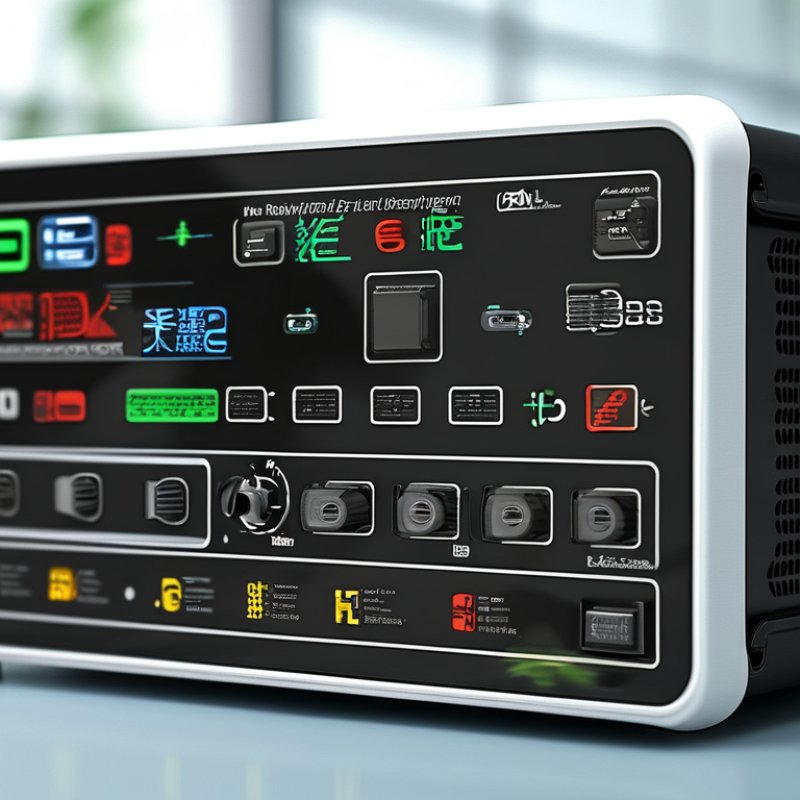
Medical power converters play a crucial role in modern healthcare. These devices ensure the safe and efficient conversion of electrical energy to power medical equipment. According to recent industry reports, the market for medical power converters is expected to grow by 7.6% annually, reaching over $1 billion by 2026. This rapid growth highlights their significance in maintaining equipment performance and patient safety.
In hospitals, reliable power converters are vital. They provide uninterrupted power supply to life-saving devices such as ventilators and imaging equipment. A sudden loss of power or voltage fluctuations can lead to equipment failure. This not only compromises patient care but can also result in significant financial losses. The World Health Organization emphasizes that over 30% of medical devices fail due to inadequate power supply. This statistic underlines the importance of selecting the right medical power converter for specific needs.
Choosing the wrong converter can lead to inefficiencies. Some converters may not meet the power requirements of complex medical systems. This can cause devices to operate poorly or even fail. It is essential to consider factors such as wattage, input/output voltage, and safety certifications. Hospitals must invest in quality power converters. The right choice may need careful evaluation and expert consultation to mitigate risks and ensure optimal performance.
| Feature | Importance | Recommended Specs | Considerations |
|---|---|---|---|
| Input Voltage Range | Ensures compatibility with various power sources | 100-240V AC | Check local power standards |
| Output Power | Determines device compatibility | 50W - 300W | Match with device requirements |
| Safety Standards | Vital for patient safety | IEC 60601-1 compliant | Check certifications |
| Size and Weight | Affects portability and installation | Compact and lightweight | Consider space in medical settings |
| Cooling Mechanism | Prevents overheating | Active or passive cooling | Evaluate ambient temperatures |
: Evaluate voltage and current ratings first. They must match the medical device's specifications.
Limited space in medical environments requires compact designs. Performance shouldn't be compromised for smaller units.
Research safety certifications like IEC 60601. Confirm compliance to know the product is tested for safety.
They validate manufacturer claims. Look for products independently evaluated for added assurance.
Regular checks prevent unexpected failures. Backup power is also crucial for patient safety in emergencies.
Focus on certifications like ISO 13485. This indicates commitment to quality and compliance in production.
Yes, they offer insights into reliability and service quality. Analyze feedback before making a decision.
Equipment failures can risk patient care. Issues from low-quality units are often overlooked but significant.
Absolutely. Even small details can lead to major issues in medical settings. Pay attention to every aspect.
Regular checks are needed to ensure functionality. This can help avert potential risks during critical moments.
Choosing the right Medical Power Converter is crucial for ensuring the safety and efficiency of healthcare equipment. Medical power converters are designed to provide reliable power while adhering to strict safety standards. When selecting a converter, it is important to consider key specifications such as input/output voltage, power rating, and efficiency. Additionally, understanding the different types of medical power converters available and their specific applications can help in making an informed decision.
Compliance with safety standards is also vital, as it ensures that the medical power converter meets regulatory requirements for use in healthcare environments. Furthermore, partnering with a reputable supplier can guarantee access to high-quality products and support. By evaluating these factors, healthcare facilities can choose a Medical Power Converter that meets their needs effectively and safely.

 NVVV Electric